Constituent Services is at the heart of the job description for any elected office. Though in modern America it’s often under-appreciated and under-emphasized.
Elected leaders who are great at Constituent Services tends to hold their seats even in years when their political party fairs poorly. Many of us have encountered a “great politician” and typically these “great politicians” are great because they’ve really figured out how to run an effective CS operation.
Take a minute to consider elected leaders you admire, and, in many cases, they’ll be known for this. For caring for their constituents and the communities they live in and figuring out how to really help when a resident contacts them with a concern.
How have great CS programs historically worked?
The key element is any Constituent Services program is the people staffing it. Offices that are on the ball have great people manning the front lines. They receive calls, actually answering the phone or checking email and even snail mail religiously. There’s a formal intake process, during which a citizen’s concern is accurately loaded into a CRM. There’s a process for routing the concerns to relevant agencies and then most important there’s follow up both with the agency and the person we’re helping.
In great offices the follow up is meaningful. Details are provided, along with a timeline for resolution. And then there’s more follow up and ultimately some kind of end state that’s reported back to the constituent in a very respectful and personal way.
Bolstering this basic system, there’ll be some town hall meetings, both in person and via teleconference that can generate citizen concerns to be addressed. This is all normal.
What’s changed? Two BIG things.
One major distinguishing characteristic of traditional CS is that the system is very much reliant on in-bound communication. The elected official’s staff is ready to go. They’re trained. They’re knowledgeable. They’ve got a servant’s heart – in the great offices this is true. And they respect every person they’re talking and most important listening to.
But it’s all in-bound. If a citizen encounters a problem, but no one finds the correct telephone number at just the right moment, no concerns come in and this amazing staff sits idle, underutilized.
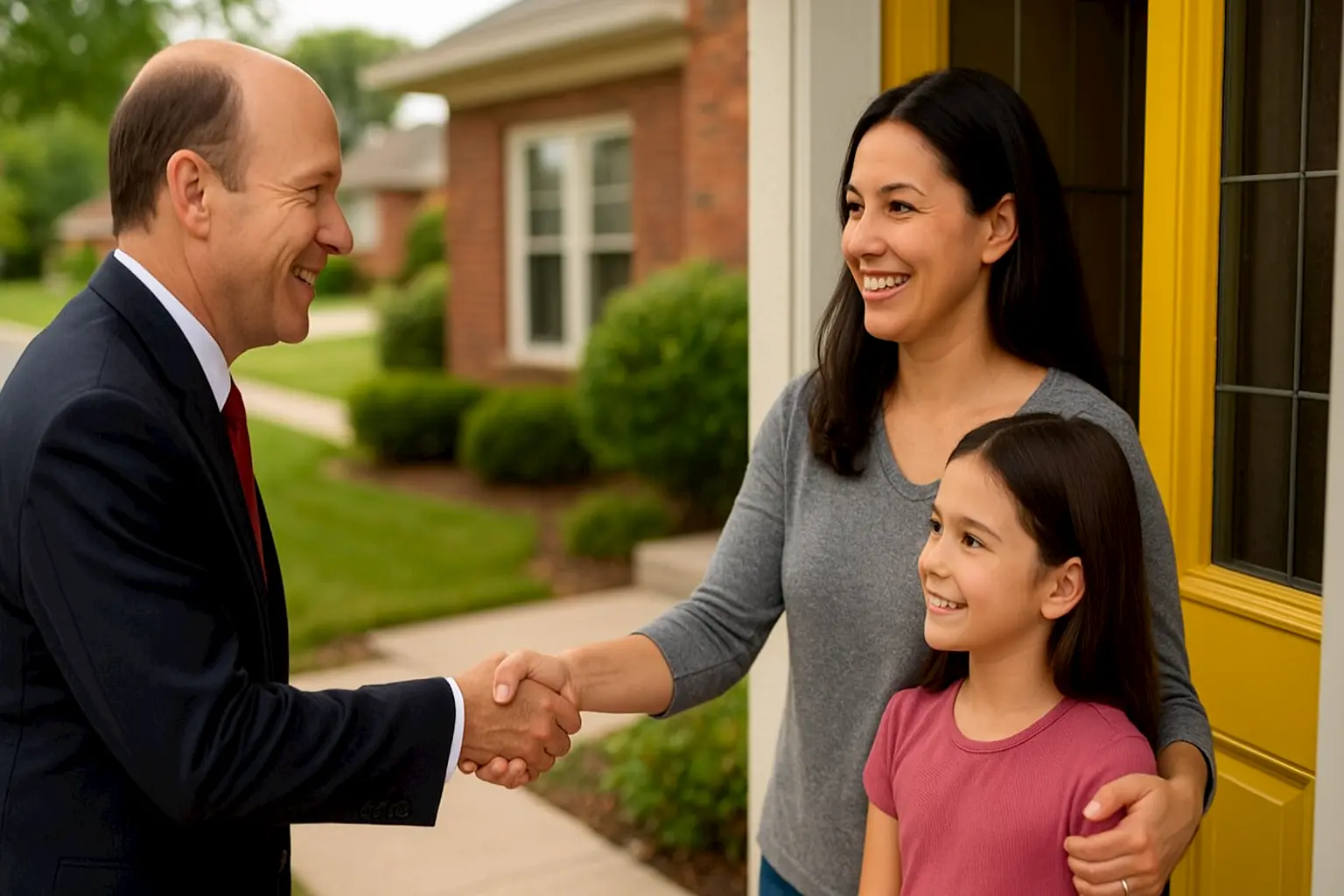
So, elected leaders are flipping the script and doing more outbound outreach – meeting citizens where they live – literally at their front doors. Teams of CS canvassers are sweeping districts, meeting residents, cataloguing concerns and then routing them through the constituent services infrastructure – to broaden the voices heard from the district and to better serve the people who need help.
Second, today’s best elected officials are seeking new ways to serve better and to focus on the basic needs of the citizens they represent. Often, while all the headlines are focused on the big picture issues of the day, it’s something small, practical and very local that can make the most difference in people’s lives – in the lives of the people they represent.
These two trends; 1. a move to broaden engagement with citizens to include outbound outreach, specifically via door-to-door canvassing and 2. The focus on micro issues and building long term relationships with the citizens we serve are coming together to really improve the experience average Americans are having with their government at all levels.
As elected leaders invest in this type of communication, they’re finding to their surprise sometimes that residents really appreciate it. Often people don’t have an immediate concern relevant to the particular office, but they love knowing that help is close by should it ever be needed and they appreciate the elected leader who cares enough to check in on them at points other than election time.